
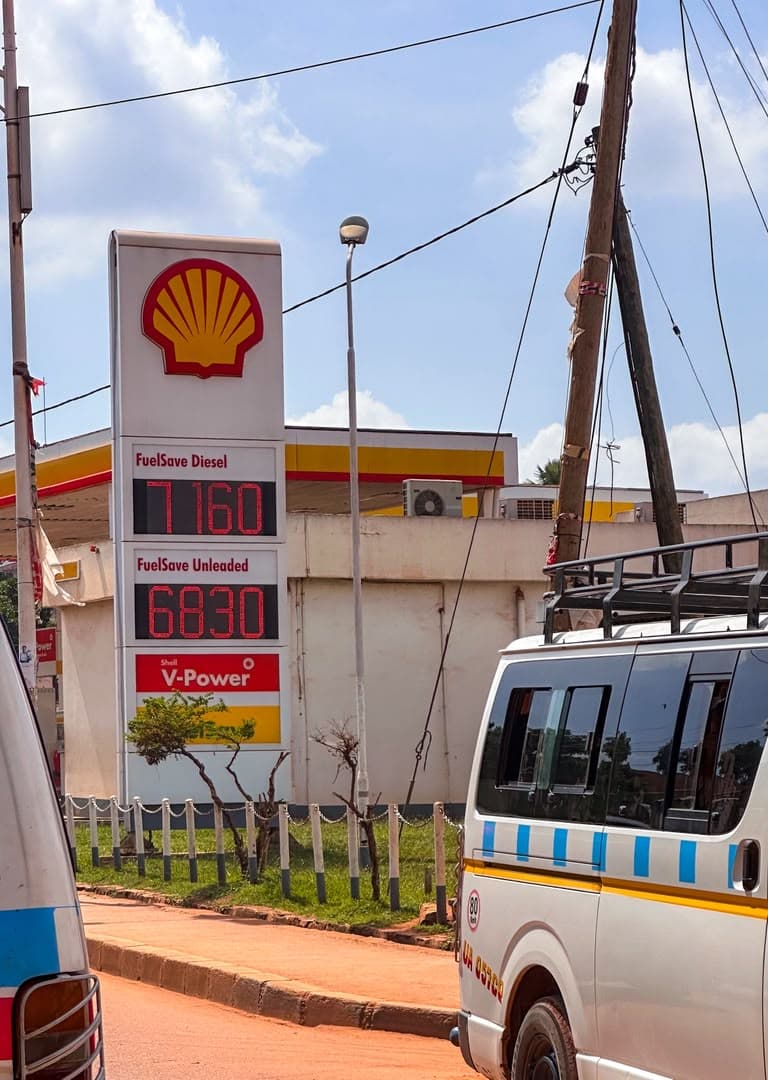
KAMPALA: Economists are asking the government to take urgent action to stabilize the rising fuel prices which threaten to leave the entire economy in shreds if not addressed.
The call comes as fuel prices continue to shoot-up with current pump prices averaging Shs 7,140, up from Shs. 5,440 a month ago for Petrol and an average of 6,900 for diesel at most filling stations.
However, Mr. Mark Mutumba, a trade policy analyst and tax policy researcher says that while this is a global issue and not unique to Uganda, it does not negate the fact the economies that are import-dependent ought to be prepared to mitigate such effects and cushion end users who sit at the bottom of the value chain.
“The government has always been reluctant to interfere with market dynamics because Uganda runs a fair kind of market, that way you find that the government would do little to nothing to interfere into the market dynamics of other fuel prices. So in the short term it would be really very optimistic to expect governments to do anything.
However, we can also look at the past. The government at a certain point in time around 2024 did bring up an initiative where they paused the excise duty on fuel. So that could be a very good measure because when you look at the cost of 1,700 that is currently being applied per litre of fuel, I think it would be really a good step if governments seize it within its heart to pause that particular tax enforcement,”Mr Mutumba Said.
Mutumba explains the implication of such a development to Uganda’s economy.
“This is a demonstration of how weak our stock because in between 2024-2023 when the government was renegotiating and trying to diversify the supply for fuel in Uganda,part of the reasons as to why UNOC was established was to cushion the public against such external shocks. Now with the dollar rising up and the Middle East conflict also growing strong and affecting almost everything in the global trade, this is a demonstration of how our system is so vulnerable to external shocks that the government originally sought to cushion us against,” Mr Mutumba added.
Mr, Mutumba also blamed the current crisis on the weakening shilling against the major foreign currencies.
Other economists have also noted that the Ugandan currency slide below Shs 4,000 to the dollar is amplifying the impact of the rising global oil prices on Ugandan consumers. According to Daily Monitor, the Uganda Shilling has breached the Shs 4,000 mark against the US dollar, hitting its weakest level on record as rising fuel prices and strong demand for foreign currency put fresh pressure on businesses and household budgets.
Ugandan commercial banks on Monday quoted the Shilling at 4,017 buying and 4,027 selling against the US dollar, marking the first time the local currency has sustained trading above the psychologically important Shs 4,000 level on bank boards.