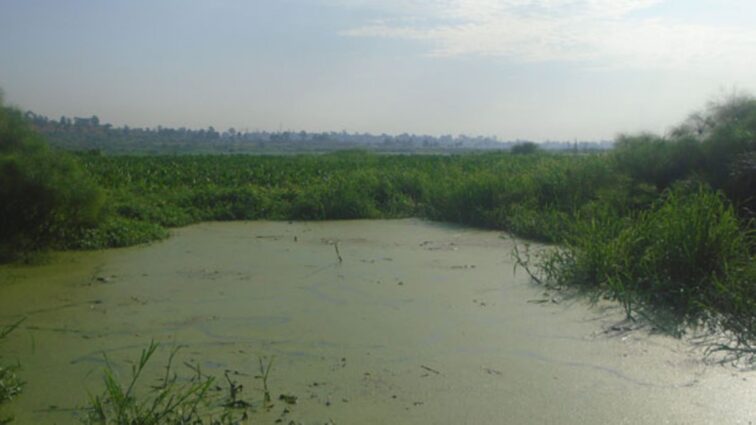
Photo Courtesy; Daily Monitor
By Mike Sebalu
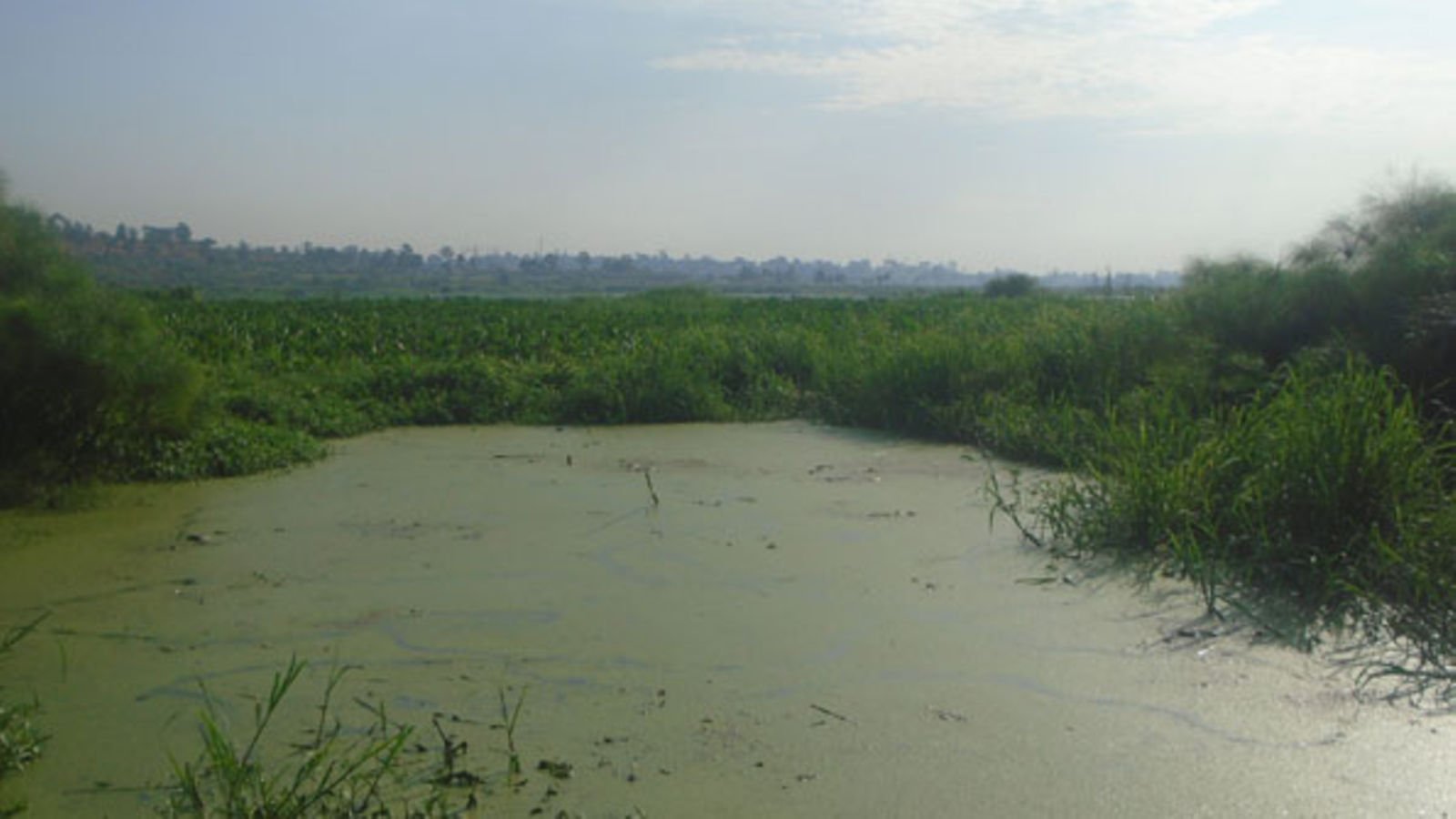
KAMPALA: Environment activists have asked the government to intensify sensitization of local communities using the Wetlands Atlas. This comes as Uganda today joins the rest of the world to commemorate the World Wetlands Day (WWD) 2026.
In 2017, the Government, in partnership with the United Nations published the Uganda Wetlands Atlas (Volume I & II) to provide information about the location and state of the country’s wetlands.
According to the United Nations Development Program (UNDP), the Atlas uses a combination of satellite images, maps, graphics, ground photographs, and evidence-based story lines supported by scientific analysis to provide a clear account of what and where in the country this strategic resource is facing challenges that need to be urgently addressed.
Robert Turyakira, an environmental rights defender and Executive Director, African Green Health Network (AGHNET), tells KFM that since the Wetlands Atlas is meant to guide policy makers and the general public as they support efforts to protect Uganda’s critical wetland resources, it is the best reference document for community sensitization programs.
“For the first time the international community is trying to mainstream the intersection between wetlands restoration and cultural heritage because we all see that wetlands are ecologically fragile ecosystem and indeed, global statistics show that wetland cover has continued to go down over the years, that’s why there has been global efforts towards restoration”, he said in a telephone interview.
Meanwhile, cultural leaders have been asked to revive and support indigenous practices, beliefs and cultural values that have historically protected wetlands.
According to the Minister of Water and Environment, Hon. Sam Cheptoris, this year’s event aims to create awareness of the relevance of wetlands to humanity and reflect on how the indigenous practices can still offer viable solutions amid growing pressures from development and climate change.
“Though wetlands contribute to the well-being of communities, their existence increasingly comes under threat from unsustainable use”, Minister Cheptoris said in a press statement. He said that this year’s theme, Wetlands and traditional knowledge; celebrating cultural heritage”, suggests that wetlands and human beings enjoy a symbiotic relationship and underscores the importance of using indigenous practices, beliefs and cultural values to protect wetlands.
This year’s national commemorations are held at the former National Forestry Authority (NFA) Grounds in Bugolobi, Kampala.
Turyakira has also implored the government through the line Ministry and the National Environment Management Authority (NEMA) to intensify sensitization among communities on how to conservation Wetlands under threat due to human activities.
In 1994, Wetland coverage dropped drastically from 37,346 sqkm to 21,526 sq. km by 2016, a loss attributed to agriculture, industrial development and settlement.
However, according to statistics from the ministry, current estimates indicate that wetland coverage has improved to between 12.6% and 13.9% due to active restoration, rising from 8.9% in 2019.