By Catherine Ageno
The government is set to launch the Electronic Government Procurement (eGP) phase II in July 2026. The Public Procurement and Disposal of Public Assets Authority (PPDA) earlier rolled the out eGP system, with 36 government entities currently enrolled.
Launched as a flagship initiative under the (PPDA) in collaboration with the Ministry of Finance, Planning and Economic Development (MoFPED) and the National Information Technology Authority of Uganda (NITA-U), eGP automates the end-to-end procurement life cycle. From procurement planning and supplier registration to bidding, contract management, and payment processing, the system standardizes electronic transactions, ensuring seamless Government-to-Business (G2B) interactions.
According to Mr. Isaac Kyaligonza, the Commissioner and Head of Procurement Policy and Management at the Ministry of Finance, the government has re-engineered the eGP system and advanced it to address emerging and other challenges experienced with government procurement.
“It is our pleasure as a government that come July 2026, we are launching eGP version II, which is enhanced and updated to address challenges that we have been facing in the manual paper-dominated procurement system. We have done that re-engineering to address efficiency, accountability, traceability, and compliance with global standards”, Mr. Kyaligonza said.
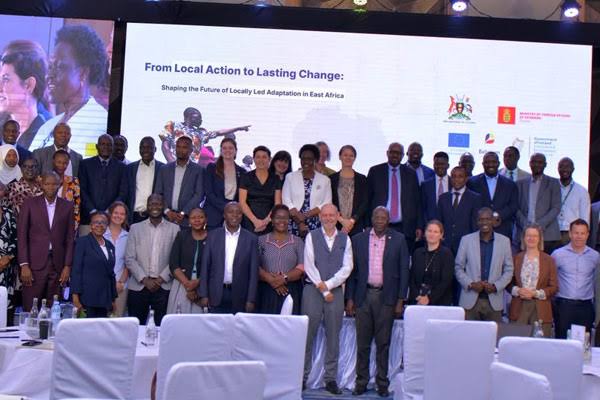
Mr Kyaligonza made the revelation at Fontis Residences Hotel in Kampala on February 18th, 2026, during the dissemination meeting of findings from a study conducted by Kabale University on Emergency Procurement Reforms in Uganda.
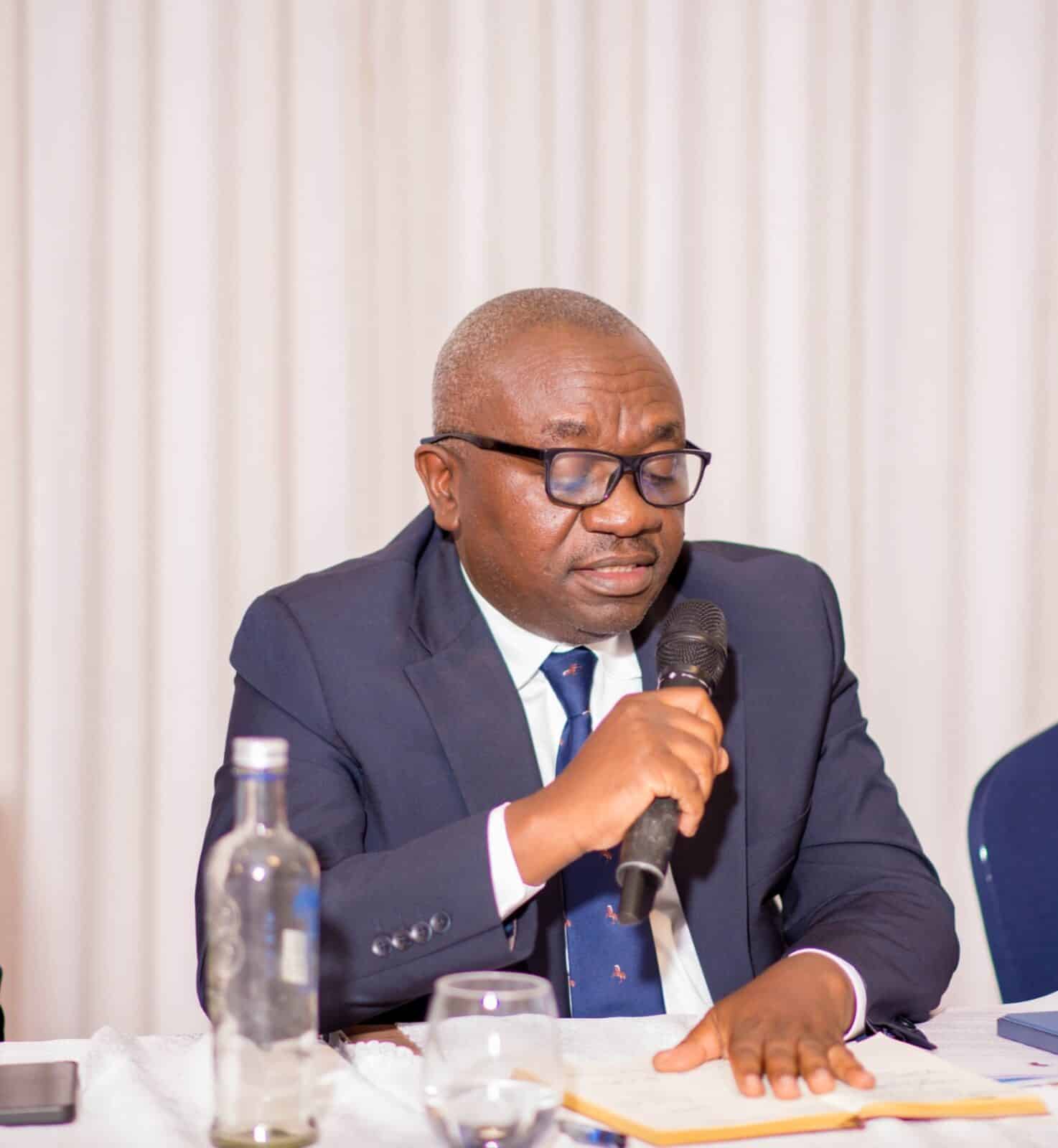
The lead researcher, Professor Prof Sabiiti Makara said the study revealed major flaws in the procurement processes during crises. “When emergencies occur, the normal procurement procedures are suspended. That provision in the PPDA Act on emergency procurement can be abused because some people can now engage in selective bidding or non-bidding at all to provide the services that are needed by the victims of the disaster. And during that provision, there can be a problem of people misusing that Act or that provision that you can waive the provision and procure directly”, Prof. Makara said on the sidelines of the meeting.
He explained that when that happens, sometimes the government loses money or the donors lose money.
The report titled “Crisis Emergencies, State Responses and Windows of Corruption in Uganda”, recommended that government tightens the noose on public officials who handle emergency procurement, and ensure they go back to their moral duty.” As civil servants or public servants, to serve the people as it were. In fact, they should be feeling a sense of responsibility to serve the people. But this problem of people just taking advantage is not going to help our people at all”, Prof Makara added. He lamented that despite government efforts to stand with the people in emergencies, corruption has undermined these initiatives.
The study, supported by the Africa Freedom of Information Centre (AFIC- a pan African civil society organization dedicated to promoting the right to access information, transparency, and accountability across the continent) as one of the key stakeholders was intended to deepen stakeholders’ understanding of why corruption intensifies during emergencies, find out people’s perceptions of the costs of corruption during emergencies and design strategies to mitigate/minimise corruption in the Ugandan society.
It focused on the Covid-19 health emergency, Peace, Recovery and Development Plan for Northern Uganda (PRDP) and Karamoja Community empowerment project.
Speaking to the media about the study, Mr. Gilbert Sendugwa, the ED AFIC said their decision to support the initiative was prompted by the increasing loss of value for money in government procurement processes due to corruption.
“During such emergency situations the risk of corruption is high. And when that happens, it affects service delivery and may result in loss of life. For example, if it is about life-supporting items or prevention items, it can have significant consequences.
Mr. Sendugwa also noted that the situation not unique to Uganda, citing the example of countries like Sierra Leone.
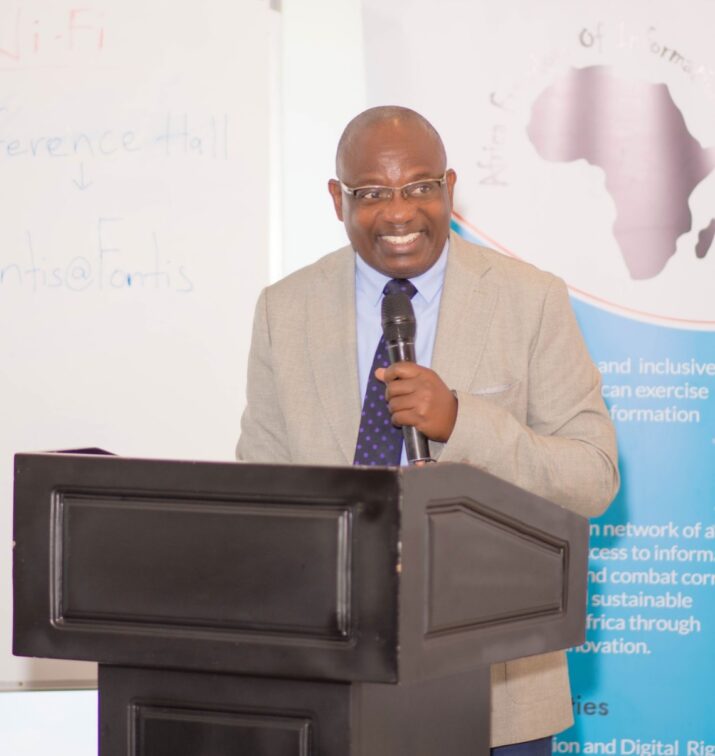
“For example, with Sierra Leone and DRC, when there was a border crisis in the two countries, there were instances of corruption, significant instances of corruption. Some of them, including very senior government officials at the minister level. But then there was no systematic study around this work and also organized conversations. So, when Professor Makara was doing this research, he reached out to me and given that our work focuses on access to information we decided to support that study,” Mr. Sendugwa concluded.