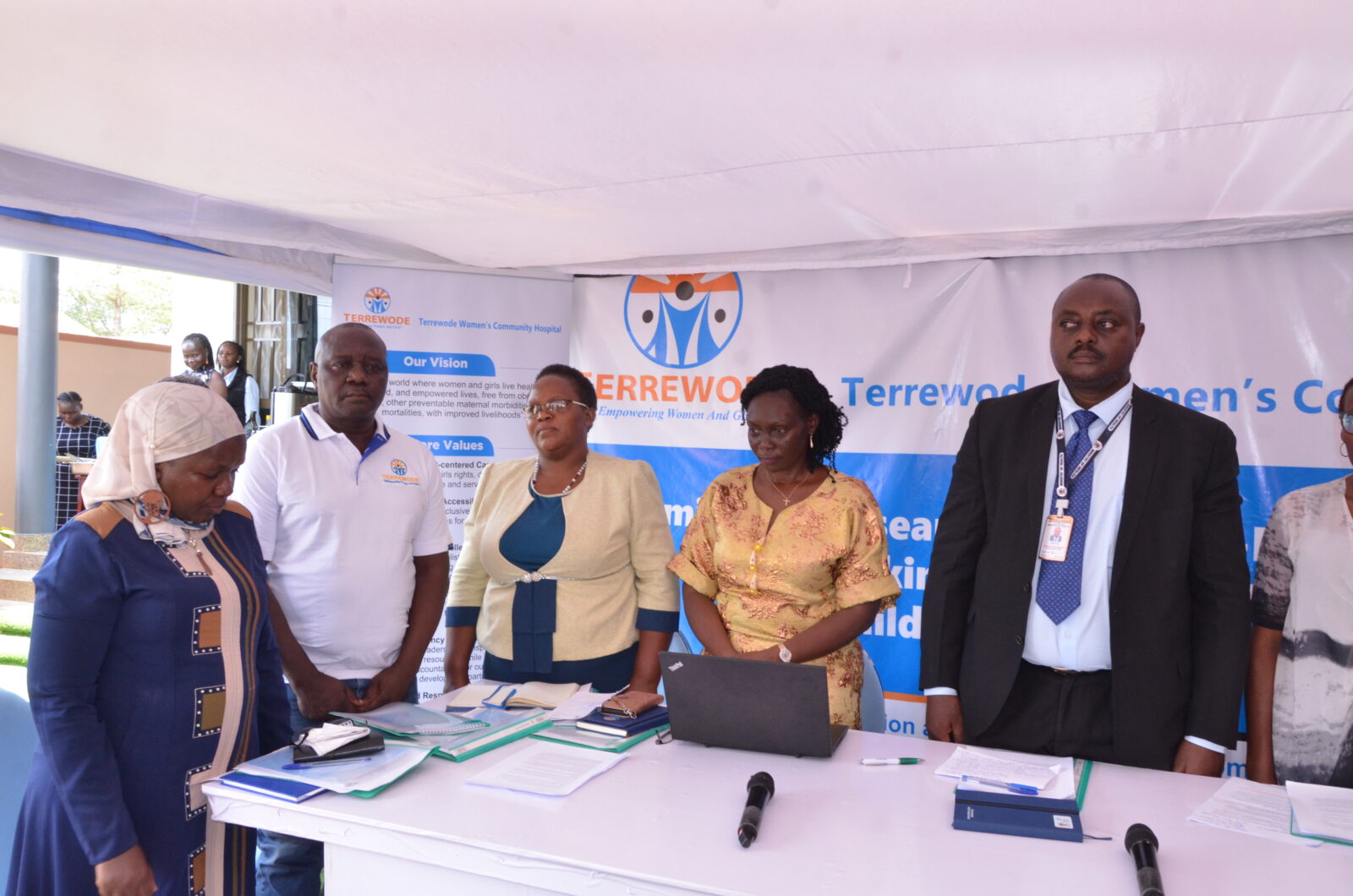
A new study on the retrospective review of Gender-Based Violence (GBV) amongst women supported at Terrewode Women’s Community Hospital (TWICH) in collaboration with the University of Minnesota has revealed that 70% of women seeking treatment for obstetric fistula and other childbirth-related injuries have ever experienced gender-based violence.
The study was conducted by the Association for Rehabilitation and Reorientation of Women for Development (TERREWODE) working closely with Terrewode Women’s Community Hospital.
According to officials, the objective of the study was to better understand experiences of Gender Based Violence amongst women receiving treatment of obstetric Fistula and other child birth Injuries at TWCH in Uganda.
Some of the specific objectives included determining the prevalence of GBV amongst women and girls who are treated for childbirth Injuries at TWCH between 2019 and 2022
The study also intended to characterize the forms of GBV experienced by patients receiving treatment at TWCH in addition to explore the factors associated with GBV amongst women and girls receiving treatment at TWCH
The Executive Director TERREWODE, Ms Alice Emasu Seruyange called for dignity, safety, and access to quality care to very woman and girl.
“The retrospective review of 360 medical records from 2019-2022 found that 70% of women experienced GBV, with 77.4% of those with obstetric fistula and 59.7% of those with other childbirth injuries reporting GBV,” she said
She added that GBV is a major driver of poor maternal and reproductive health outcomes in Uganda.
Ms Bernadette Nakimbugwe, a Lawyer and member of the technical research and advocacy Committee, Terrewodde, said the study called for increased investment in legal protections and healthcare services to address GBV.
“GBV is a major driver of poor maternal and reproductive health outcomes in Uganda,” She said
She called upon the government, healthcare providers, and communities to take action to address GBV and ensure that women and girls have access to quality, survivor-cantered care.
As part of the recommendation, the study implored the Ministry of Health (MOH) to integrate fistula care into the national elimination of GBV (2016) policy and its action response plan.
It also called for improved quality of care for patients and survivors, by enforcing early screening and detection of GBV among women and girls at all levels of healthcare points; (specialised training for Healthcare providers, providing safe spaces for counselling, psychosocial support and mental health inventions) while fostering coordination and collaboration with other agencies and promote community awareness and advocacy on GBV and how it slows progress on the elimination of fistula, restoring the dignity of women and their overall empowerment and productivity.