Photo by Mike Sebalu
By Mike Sebalu
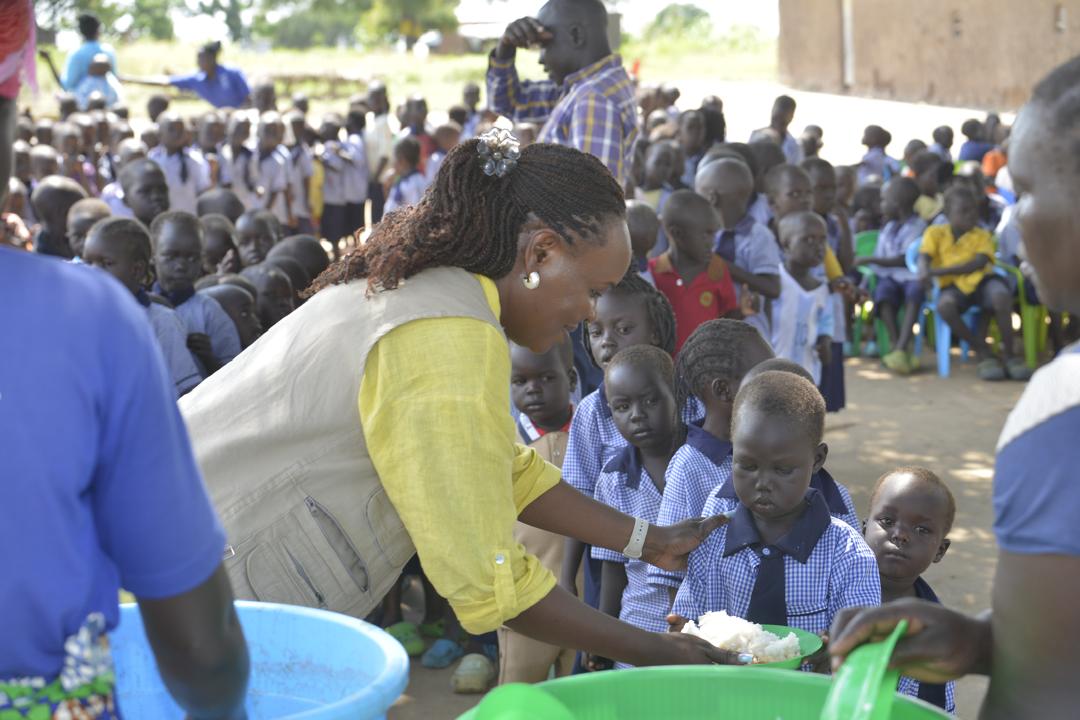
Over 4,000 children from Bidibidi, Palorinya and Parabek refugee settlements in West Nile and Northern regions are sent to benefit from the Stromme Foundation school feeding program aimed at addressing the severe food insecurity faced by refugees in those areas.
The program is also aimed at improving nutrition, create a safe learning environment, and support the well-being of young refugees.
West Nile region is registered with over 185,793 individuals due to influx of refugees from South Sudan with children making between 50-60%.
This has put a strain on the available basic social services and facilities in the region
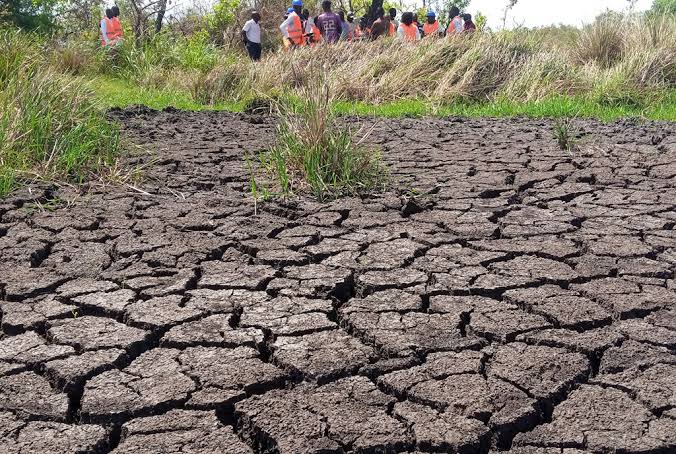
According to the leaders of refugee welfare committees who spoke to KFM, several non-governmental organizations which used to support refugees closed their programs since 2024 leading to cutback in food assistance, lack of learning materials, insufficient teacher salaries and fewer opportunities for income generation.
Statistics from the Office of the Prime Minister indicate that the enrolment rate for Early Childhood Development (ECD) has dropped from 45% to 34% between late 2024 and early 2025.
Speaking during the launch of the program at Kiranga ECD in Bididi refugee settlement, Dinah Morgan, the Country Director of Stromme Foundation said with funding from individual donors in Norway and the Norwegian government, they have been in position to provide the funds which have been used to procure food, and install energy efficient cooking systems.
The same funds have been used to improve handwashing and other hygiene facilities, training cooks in food handling and training school feeding committees on their roles.
Stromme Foundation further pledged to support more four thousand households whose children are benefiting from the feeding program to plant fast- growing wood trees to regenerate the environment by providing sustainable source of firewood and to establish kitchen gardens to improve household nutrition and food security.
The program will also benefit children from vulnerable host communities attending the ten ECDs to ensure that young children have access to nutritious food, enabling them to focus on their education and build a brighter future.
Hanifah Nyangoma, the Assistant Community Services Officer in charge of education, Bidibidi refugee settlement said this school feeding program will address the food crisis caused by reduced funding to refugees and poor food yields due to unreliable weather and low soil productivity.
Rose Modon, one of the parents of Kiranga ECD, in Bidibidi refugee settlement said, “I have two children, but I was not able to provide them with food every day. Some days, we just took tea the full day and I could see them becoming small and they were crying every time and were not playing but now since they started eating food at school, they now play a lot and they want to go to school every day.