The dismal performance of the opposition in recently concluded LCII elections has raised questions about their strength in a multi-party system dispensation.
Many analysts have argued that the continued dominance of the ruling National Resistance Movement in grassroot elections signals a governance crisis in the opposition local structures.
Speaking to KFM in a telephone interview, the Leader of Opposition, also Nakawa West Constituency Member of Parliament Hon Joel Ssenyonyi said the opposition’s dismal performance in LC elections is not a sign of weakness.
He explained that Uganda’s democratic challenges are rooted in poor governance and failure to uphold democratic principles, rather than the multiparty political system.
Hon Ssenyonyi added that the chaotic election processes, including questionable voting and declaration of results, all demonstrate weaknesses in governance and respect for the rule of law.
He has thus called for urgent governance reforms to strengthen democracy in Uganda.
“What we need to fix is our governance , democracy, rule of law , those are the major problems we have not so much in the multi-party system, is that can democracy be observed as it should be?,” Hon Ssenyonyi said.
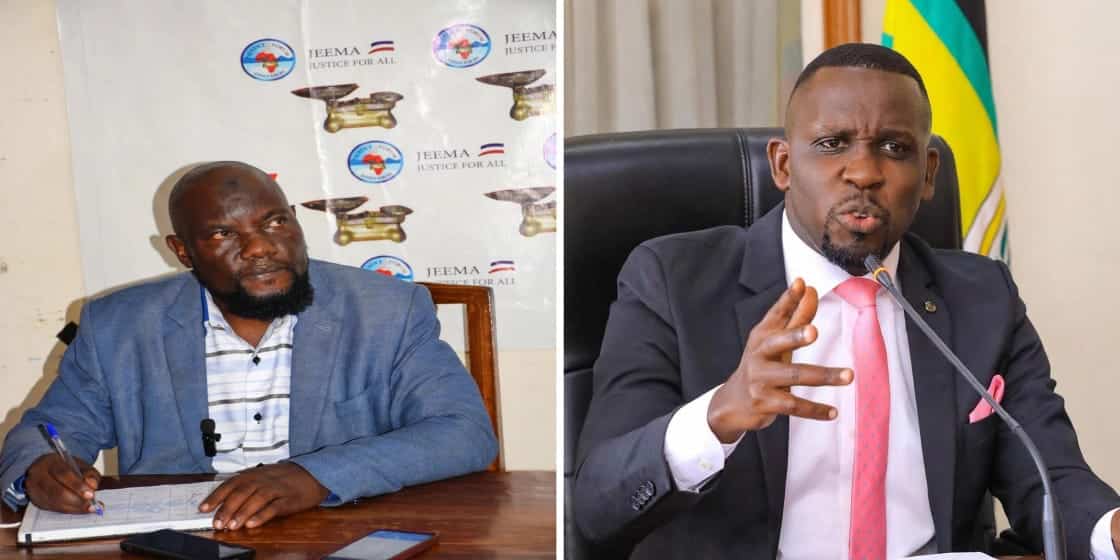
Meanwhile, the leadership of the Common Man’s Party has described the recently concluded LC1 and LC2 elections as a “selection” rather than an election.
The party’s Buganda Region deputy president Habib Ssemakula alleged that in some areas, election officials were prevented from declaring results at polling centres where opposition candidates had won, reports that have been dismissed as baseless by the Electoral Commission.
He claimed that in Ndejje Lubugumu Village, where he voted, the presiding election official was allegedly picked up by armed men before results were announced at the division.
“The person who won wasn’t announced. The election officer was picked and the results were announced at the division,” he said.
He said the opposition would therefore not consider the NRM’s sweeping victory a genuine reflection of voters’ choices, arguing that the population knew what happened during the elections.
The spokesperson of the Justice Forum party Swaibu Nsereko has also spoken out about their poor performance, saying the NRM win in Local Council elections does not mean the end of multiparty politics in Uganda.
“When village elections decide who delivers services and holds the government accountable, then competition will be about ideas, not machinery, that is how we make multiparty democracy meaningful at the grassroots,” Dr Nsereko said.
He argues that the outcome largely reflects the limited presence of opposition parties in Uganda’s nearly 70,000 villages, where grassroots political structures remain weak.
He also noted that Local Council elections often attract less attention because the councils have limited influence over national policy and decision-making.