Over 200,000 pupils in both primary and secondary education in Uganda are at risk of failing to complete this year’s academic calendar, due to lack of teachers in refugee hosting districts countrywide.
This comes as a result of continued donor cuts in the refugee sector and failure to support teachers who have been teaching in refugee schools in the country.
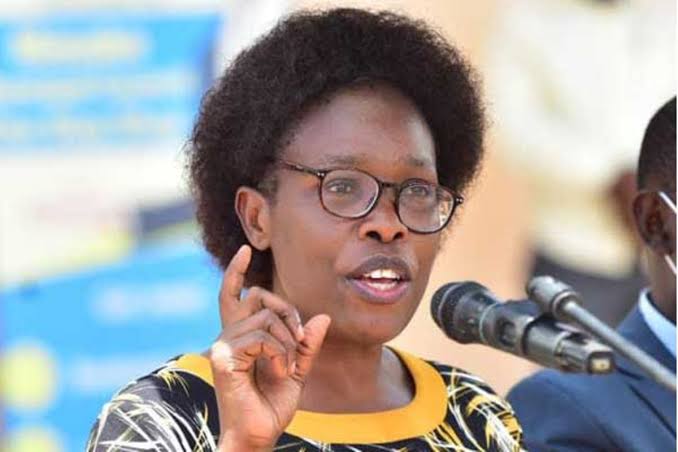
According to the minister for Relief, disaster preparedness and Refugees Mr. Sam Engola, the government has played its part in supporting the refugees but the donor support has continued to dwindle.
He said those to be affected include final year pupils and students preparing to sit for PLE, UCE and UACE.
“Any interruption at this stage will have a serious consequence for learners who have already spent a year preparing for their examination,” he said
He added that, “We therefore need to act now to prevent temporary financing challenges from becoming a major disruption to the education of thousands of children since the government commitment is a longer-term solution,” he added
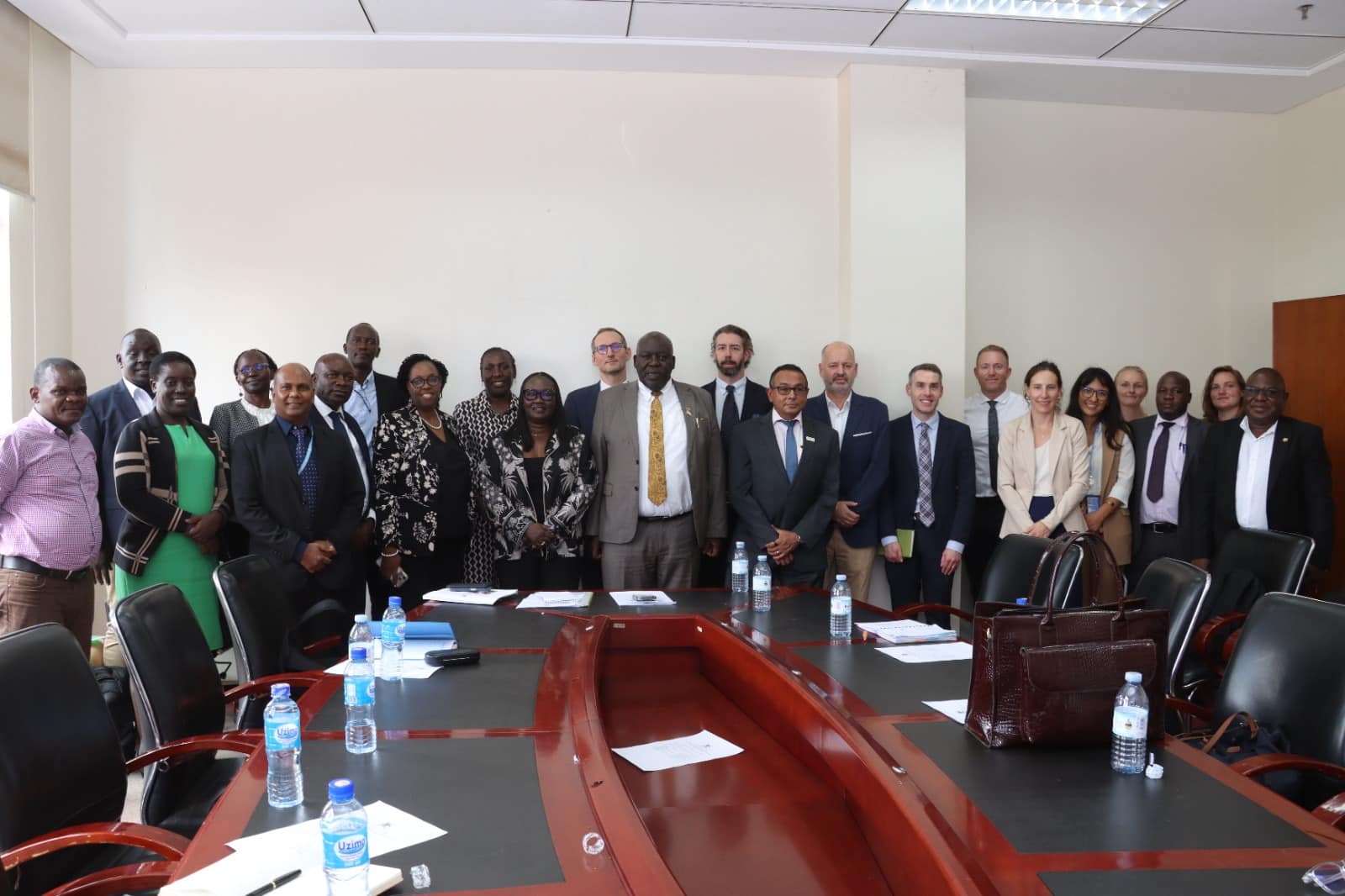
He was on October 6, speaking during an emergency meeting he convened at the Office of the Prime Minister (OPM) office in Kampala, to rescue the situation. The meeting attracted technical staff from the OPM, officials from the Ministry of Education, United High Commission for Refugees among others.
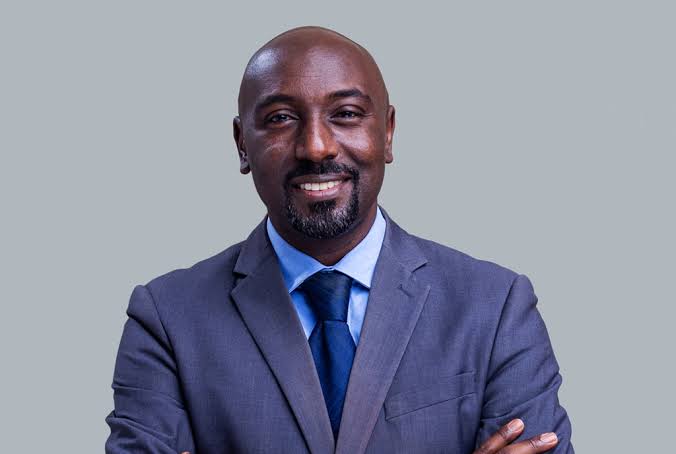
The United Nations High Commissioner for Refugees (UNHCR) country representative to Uganda Ms. Margaret Atieno said that Uganda being a model country in the management of Refugees, everything possible is needed to address the situation.
“Over time, the refugee response should be dealt with in a different manner. It has become very clear that the humanitarian response is not working effectively where we have such large numbers and who have stayed for so long in this country. It’s no longer an influx, it’s no longer an emergency, we can no longer sustain it through a humanitarian response,” she said.
She added that, “I think the message that our partners who are around the table have given to us as UNHCR when we are coordinating this particular issue is that we can no longer continue to bridge, we cannot sustain the system through the bridging funding. We need to very quickly, rapidly look into the long-term, vulnerable ministerial approach, because for primary, they are now revising, putting final touches on everything,” she added.
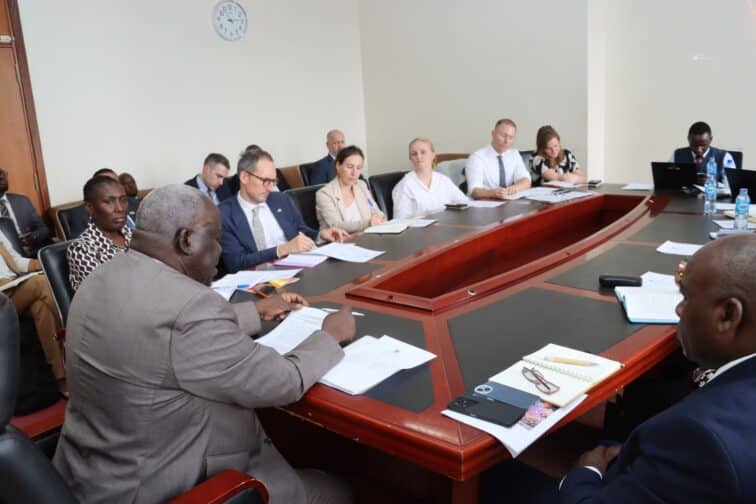
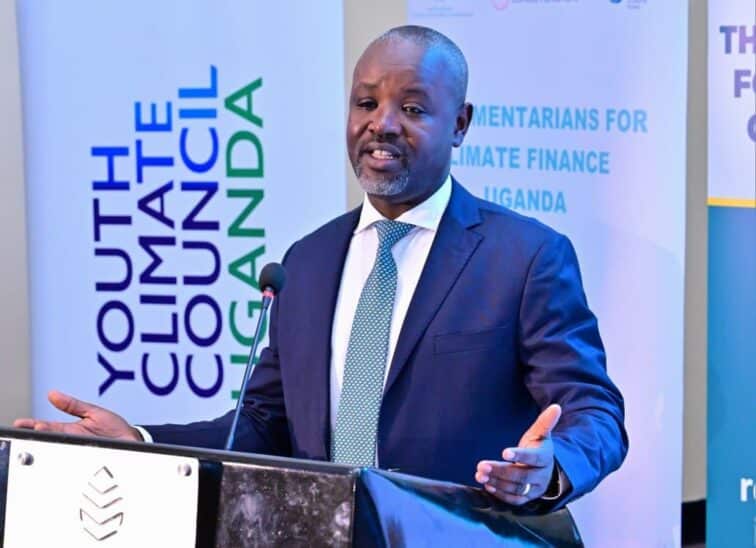
The minister for Relief, Disaster preparedness and Refugees Mr. Sam Engola chairing an emergency meeting with divelopment partners at the OPM on October 06 2026. PHOTO|| OPM HANDOUT
She asked the government partners to continue supporting and to ensure that schools continue to operate effectively to avoid complaints for poor performance in future,Dr. Cleophus Mugenyi the commissioner for Basic Education at the ministry of Education who was part of the meeting expressed the need to ensure teachers remain at school or else the education of the children is ruined.
“We are asking our development partners to help us maintain the education system through this crucial period while government and the World Bank work towards a long-term financing arrangement,” he said.
He added that because of the ongoing crisis, approximately 1,500 teachers are at risk of going unpaid despite schools remaining operational in the refugee-hosting district.
Minister Engola further appealed to all development partners to come to the rescue of the children who might drop out of school at the critical time when they are supposed to transit from one class to another.
“I want to emphasize that the government is not seeking to delay any short-term donor financing. The government of Uganda recognizes that the current situation requires a more sustainable financing model for essential services in the refugee-hosting district,” he added.
The government is working to mobilize long-term financing through the government budget and multitudes development partners including the World Bank to address the stricken financial needs of education and other essential services in the refugee-hosting area.
The partner withdrawals have led to layoff of over 1,000 by major international humanitarian partners. Uganda currently hosts over two million refugees and it is the leading Refugee hosting country in Africa but has recently suffered setbacks in funding.