KAMPALA: Child rights advocates have called for greater participation of children in decisions that affect their lives, noting that they are often left out of discussions on education, health, and protection.
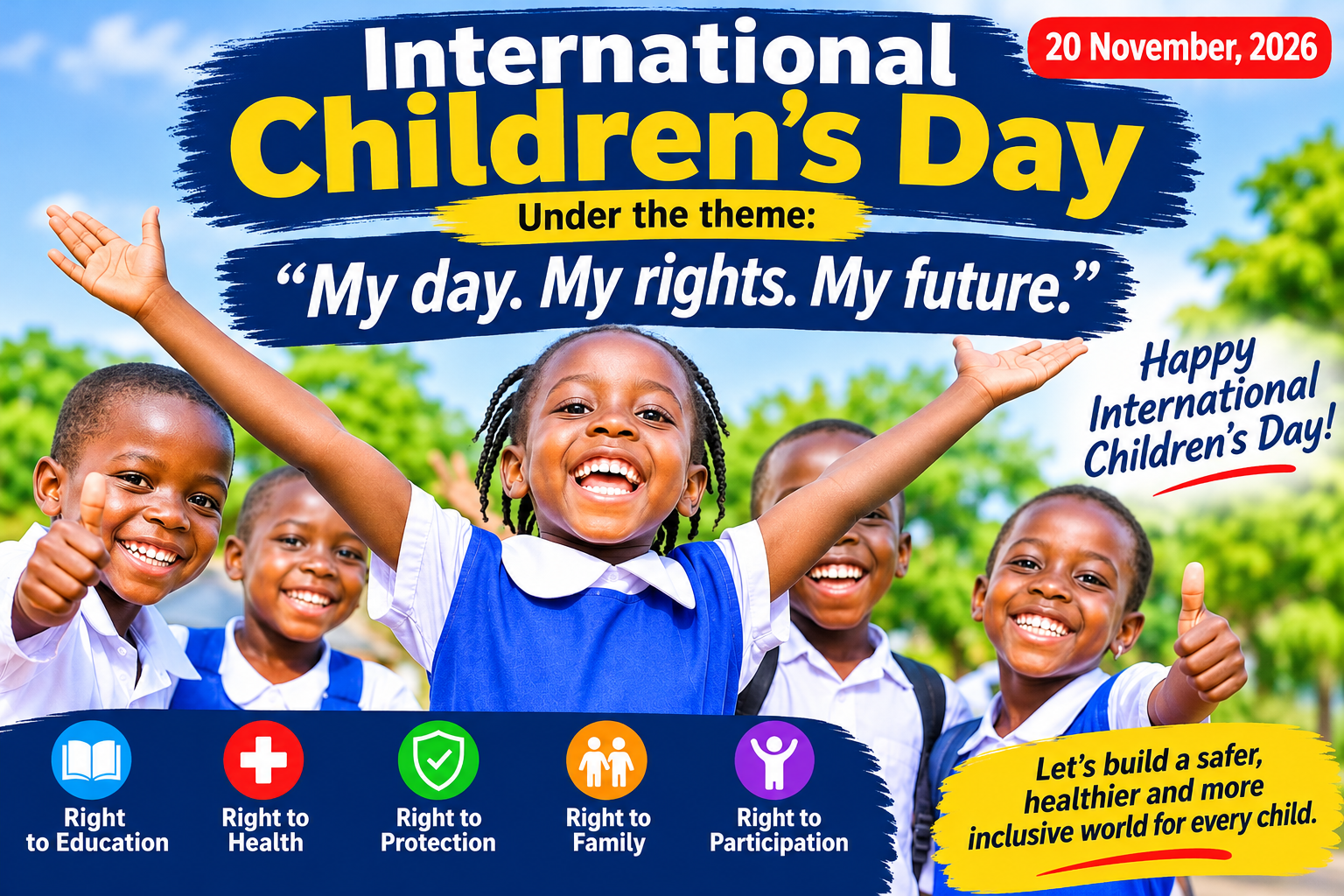
The renewed call came as Uganda joined the rest of the world to mark World Children’s Day, celebrated on 20 November, 2026, under the theme; “My day. My rights. My future.”
Speaking to KFM, Mr Timothy Opobo, Executive Director for Africhild Centre, said that while adults make laws and policies for children, children themselves are rarely given a chance to speak, or share their views.
Opobo argued that when children participate in these spaces, better policies are enacted because they reflect the real challenges children face such as unsafe journeys to school and early marriages among others.
“As a country we need to work on the area of meaningful child participation, which really means listening to the views of children and considering them also as we make decisions that concern them” he said.
He added that children continue to face high levels of violence including; sexual abuse, defilement, neglect among other vices at home, school, and in their communities, saying that many of these cases unfortunately go unreported.
A report released by the Uganda Violence Against Children survey (VACS) in collaboration with the Ministry of Gender, Labour and Social Development, United Nations International Children’s Emergency Fund (UNICEF) and partners (2018), shows that 68% of boys and 59% of girls experienced physical abuse in childhood.
Mr Opobo warned that violence does not only cause physical pain, but also leaves long-lasting emotional trauma, affects school performance, and destroys a child future.
“We still have a lot to be done to improve the situation, while we have the structures and laws in place, they are not working for the children,” Mr Opobo emphasised.
Ms. Hadijah Mwanje, Executive Director High Sound for Children, another Civil Society Organisation that advocates for the rights of children especially in media spaces, also called for renewed commitment to protecting the children and safeguarding their rights to a safe, healthy, and fulfilling childhood.
“This time the commemorations have come at a time, children are beginning their long holiday, which is an opportunity for them to rest. She added that while holidays offer an opportunity for children to rest and discover their talents, it also increases their exposure to various risks particularly when there is inadequate supervision and protection”, she stated.
She challenged the media organisations and digital platforms to prioritize children. “Every child deserves to enjoy their childhood, a child’s right to protection does not go on holiday unfortunately”, Ms Mwanje emphasized.
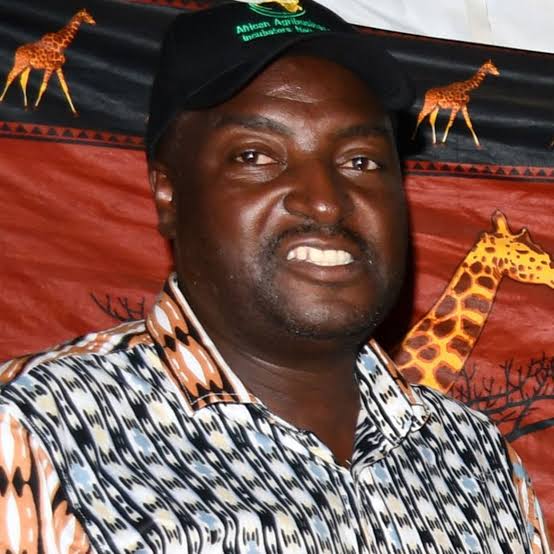
Mr. Robert Turyakira the Executive Director for African Greenhouse Network (AGHNET) an organisation that implements integrated agriculture and community development programs in Uganda, said children are the most affected by a degraded environment, yet they are the least responsible for causing it and the least protected by current laws.
“If we are going to build a climate-resilient future, then we must ensure that we protect our children and ensure that we put in place strong legal and regulatory framework and institutional prioritisation of protecting our children” Mr Turyakira said.
He noted that many children, especially in rural and low-income communities, are exposed to unsafe drinking water, air pollution from burning waste, and chemicals from poor waste disposal, which affect their growth and learning.
“We want to see global commitments on how we must deliberately protect the most vulnerable in our communities, especially children”, he stated.
He also warned that climate change is forcing many families to move, disrupting children’s education and exposing them to child labour, early marriage and abuse. Mr Turyakira called for stronger legal and regulatory framework to protect children from the growing dangers of environmental degradation, pollution, and climate change.
“We want to see countries like Uganda focussing on how we promote food security in their homes, how we promote nutrition, minimise school dropouts as a result of climate-related disasters”, he said.
According to Turyakira, the latest reports from the education ministry show that fewer children are completing their Primary Seven, despite enrolling in large numbers at Primary One level. “We have over a million children enrolling in primary school, but by the time they finish P.7, most of them have dropped out,”