By Busein Samilu
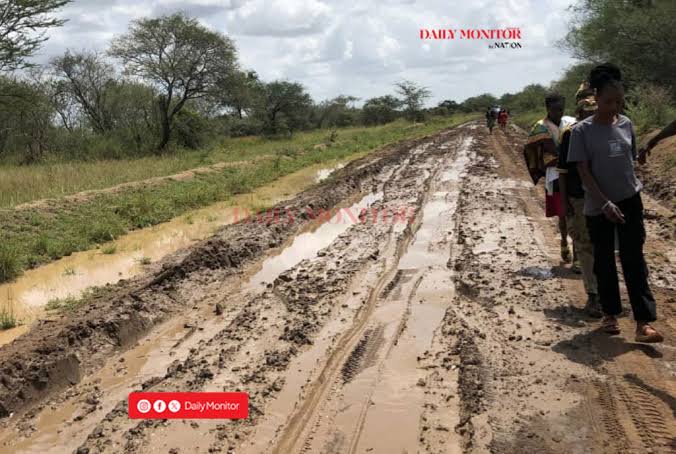
A government audit has exposed major gaps in the maintenance of district roads, with 228 roads covering 1,493.9 kilometres in 76 local governments found to have been poorly done, despite the districts receiving the Shs1 billion Road Maintenance Development Grant on time.
The findings are contained in the Auditor General’s report to Parliament, which indicates that several district local governments, cities and municipal councils either delivered substandard road works or had not completed projects, raising concerns about value for money.
A KFM analysis of the audit report shows that the Buganda sub-region recorded the highest number of poorly executed roads, with 65 roads covering 505.5 kilometres, representing about 34 percent of the total affected road network.
Ankole followed with 60 poorly done roads covering 486.6 kilometres across 13 districts, while 38 roads in 14 districts in the Bugisu and Bukedi sub-regions constituted the third-largest share.
The affected roads were also recorded in West Nile, Karamoja, Acholi and Lango, while Bunyoro registered the lowest number and length of poorly maintained roads.
The audit also established that 239 roads in 66 districts, covering 1,274.8 kilometres, had not been completed by the time of inspection. Mr. Richard Kuku, the Secretary General of the Uganda Local Government Association, attributed the challenges to inadequate funding and equipment.
Kuku told KFM that the reduction in Uganda Road Fund allocations, from about Shs700 million to the current Shs10 million, coupled with the uniform Shs1 billion allocation to districts are affecting road maintenance.
He continues to say, although the Shs1 billion is expected to facilitate maintenance of at least 70 kilometres of roads in a financial year, the condition of some roads makes the target difficult to achieve.
However, Mr. Ben Kumumanya, the Permanent Secretary in the Ministry of Local The government said equipment has been provided to local governments to support road maintenance.
“The Roads Act was enacted, and it brought in members of Parliament, which is the highest level of oversight, They are members of the Roads Committee, and in many districts they are the chairs, So really, to me, we need to find out then why are things not happening when you have, like, at the level of Parliament, MPs are the ones who would approve your plans, So we need to do it deep, What is the problem then, Because the Roads Act puts it at another level, It’s no longer district matter,” Ben Kumumanya said.
The Auditor General’s report also lists several West Nile local governments among those with poorly executed roads, including Arua, Maracha, Madi Okollo, Terego, Moyo, Koboko, Zombo, Obongi, Arua City and Nebbi Municipal Council.
Meanwhile, Works and Transport Minister Fred Byamukama is expected to begin rural road inspection visits next month, starting with the West Nile sub-region.
During an inspection of national road works in Yumbe District on September 19, Byamukama warned local leaders that arrests could follow if investigations establish that the Shs1 billion allocated for road maintenance had been misused.
The Minister has also warned that poor road rehabilitation and maintenance is costing government billions of shillings, as some roads eventually require complete Reconstruction.
The audit therefore raises questions about the quality of road works, utilisation of maintenance funds and supervision of projects at the local government level.