By Khalil Ibrahim Manzil
The National Agricultural Research Organisation (NARO) has called for increased investment in coffee value addition research, saying Uganda could earn significantly more from processed coffee products than from exporting raw beans.
Mr Geoffrey Arinitwe, NaCORI’s Director of Research, said Uganda was losing out on potential earnings by exporting raw coffee instead of investing in research and developing products for local and international markets.
He said a kilogramme of raw coffee earns about $3, compared to $12 for roasted coffee, while businesses that prepare and serve coffee can generate more than $50.
“The kilogramme can only be $3 (about Shs12,500). For people who export roasted coffee, the kilogramme goes up to $12 (about Shs49,800). And people who serve coffee and sell, they get over $50 (about Shs207,500),” Mr Arinitwe said.
Conversions based on an indicative exchange rate of $1 = Shs4,150 as of November 18, 2026.
He urged the government to increase funding for research to support product development, packaging, certification and access to export markets.
“If you need a stable value addition campaign or commercialization through value addition, you need to invest in value addition research,” he said.
Mr Arinitwe, however, expressed concern over inadequate funding for research, particularly the validation of new products before they are commercialized.
“We are not investing, we are not putting money in coffee research. No validation research finance. Wherever you go, it will come down to one thing: we need to research well in validation and coffee research,” he said.
He cited Brazil as an example of a country that has developed more than 50 value-added products from coffee, saying Uganda could learn from its experience.
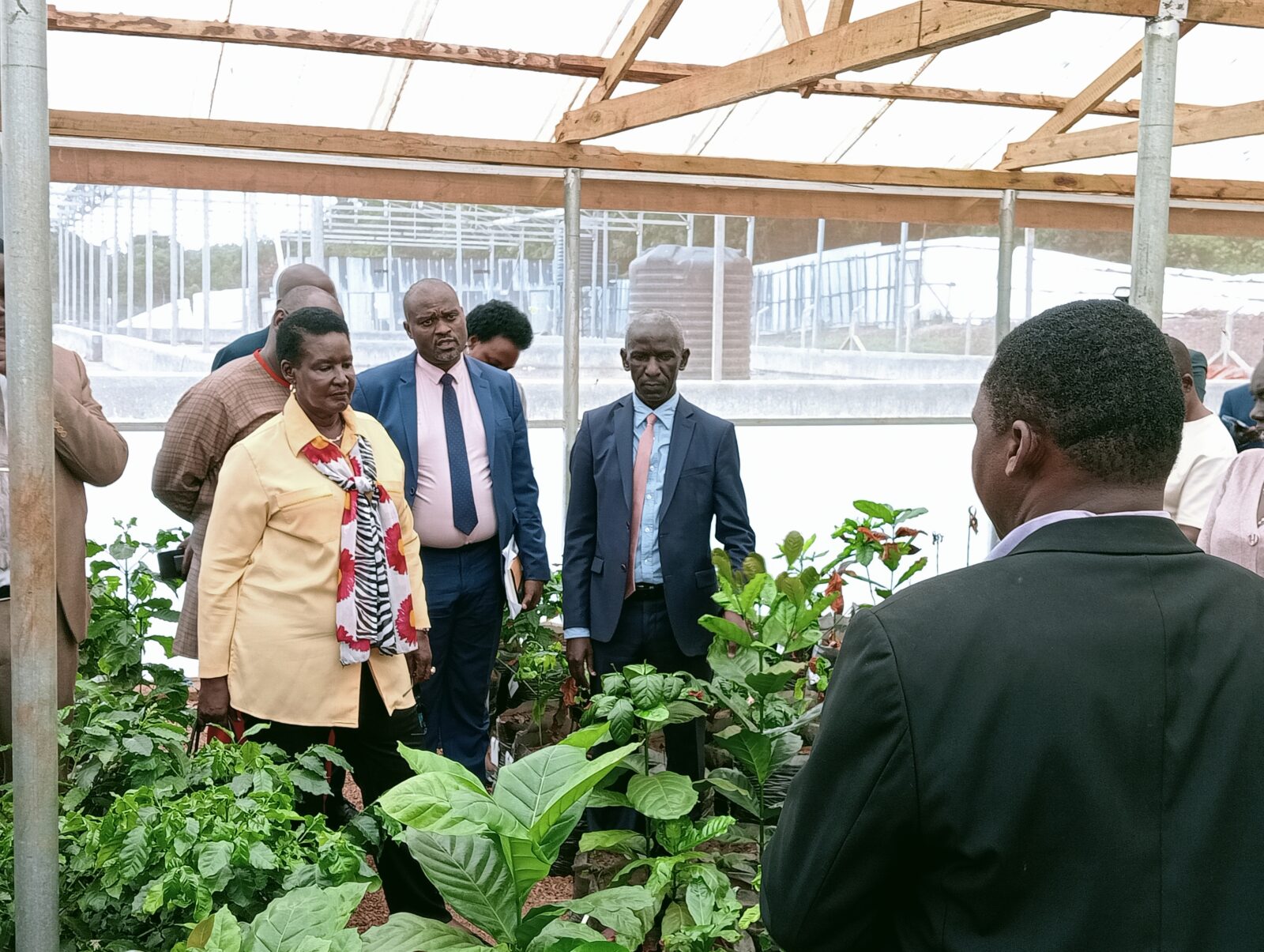
This was during the Agriculture Committee of Parliament visit the Institute (NaCORI) in Kituza, Mukono District, on November 18, 2026, under the chairmanship of Mawokota North legislator Ms Amelia Kyambadde, to assess the ongoing research and other developments in the coffee sector.
Ms Kyambadde urged greater collaboration among farmers, researchers and processors to strengthen the coffee value chain, saying Uganda must move beyond growing and selling raw coffee to embrace processing, innovation and production of finished goods.
Meanwhile, Mukono District Chairperson Francis Lukooya said the district had signed a Memorandum of Understanding with NARO, particularly NaCORI, to facilitate the transfer of research technologies to farmers.
“We want to transform and revamp Mukono as a cocoa and coffee district of Uganda. That is why we have signed a Memorandum of Understanding between us and NARO, particularly with NaCORI here, so that we are able to transfer the technologies that are developed here to our farmers,” Mr Lukooya said.
He added that the partnership had already enabled the district’s agricultural and extension officers to receive training in modern coffee and cocoa farming practices. Plans are also underway to train young people, women and single mothers in value addition.
Mr Lukooya said coffee and cocoa could be processed into products such as lotions and medicinal products, creating opportunities for employment and additional household income.
He said Mukono had favourable conditions for coffee and cocoa growing and once accounted for about 40 per cent of Uganda’s coffee production before coffee wilt disease devastated its plantations.
“Because of the coffee wilt, we lost more than 20 million coffee seedlings. All the efforts that have been done have not returned what we lost. We have not even got more than 10 million coffee seedlings,” he said.
He appealed to Parliament and government to provide more planting materials to help revive production, adding that the district also plans to invest in value addition equipment and utilise facilities at NaCORI to support local processing.