KAMPALA: A new report released by the Uganda Bureau of Statistics -UBOS, has indicated that only 15.1% of Ugandans have access to safely managed drinking water, despite 81.4 % using improved water sources.
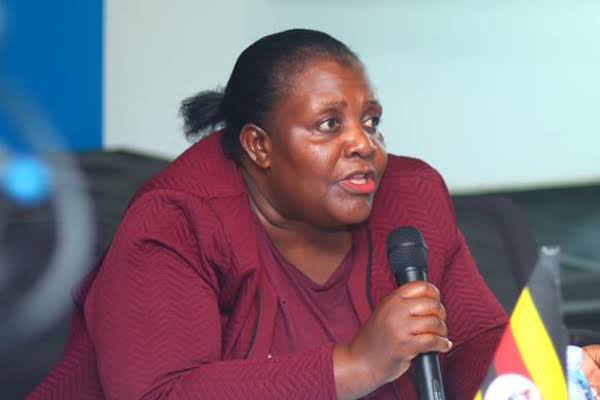
While presenting the study finding during the commemoration of the African Statistics Day yesterday in Kampala, a senior statistician, from the Directorate of Population and Social Statistics at UBOS, Diana Nabukalu, revealed that safely managed drinking water must come from an improved source located on household premises, be available when needed and meet required water-quality standards. She said water could come from a protected source but still fail safety standards if it becomes contaminated before consumption.
The study also found widespread faecal contamination, with 88.9% drinking water samples collected from households containing E. coli, bacteria commonly found in the intestines of humans and animals.
Nabukalu explained that the presence of E. coli in drinking water indicates possible faecal contamination and the risk of exposure to disease-causing microorganisms that can cause diarrhoea and other illnesses.
Only 11.1 per cent of household water samples tested were free of the bacteria, while UBOS reported that approximately 89% of households faced a risk of waterborne diseases.
UBOS data show that the proportion of the population using improved drinking water sources increased from 71 per cent to 81% nationally. In rural areas, the proportion rose from 67% to 77%. However, household access to water on premises declined from 28.4% in 2014 to 24.15 in 2024.